The EU General Data Protection Regulation also applies at trade fairs. It covers photos and videos of identifiable people as well as business cards, lead forms and visitor data.
The General Data Protection Regulation, GDPR for short, governs how personal data is handled in the EU. That includes names, contact details and also photos and videos in which people can be identified. Anyone processing such data needs a legal basis, such as consent or a legitimate interest, and must inform the people concerned.
At a trade fair personal data turns up in many places: when visitor badges are scanned, business cards collected, lead forms filled in, prize draws held and photos or videos taken on the stand (booth).
For exhibitors, GDPR mainly means preparation. Decide which data you collect on the stand, what you use it for and how long you keep it. Make sure visitors learn what happens to their data, for example through a note on the lead form or at the stand.
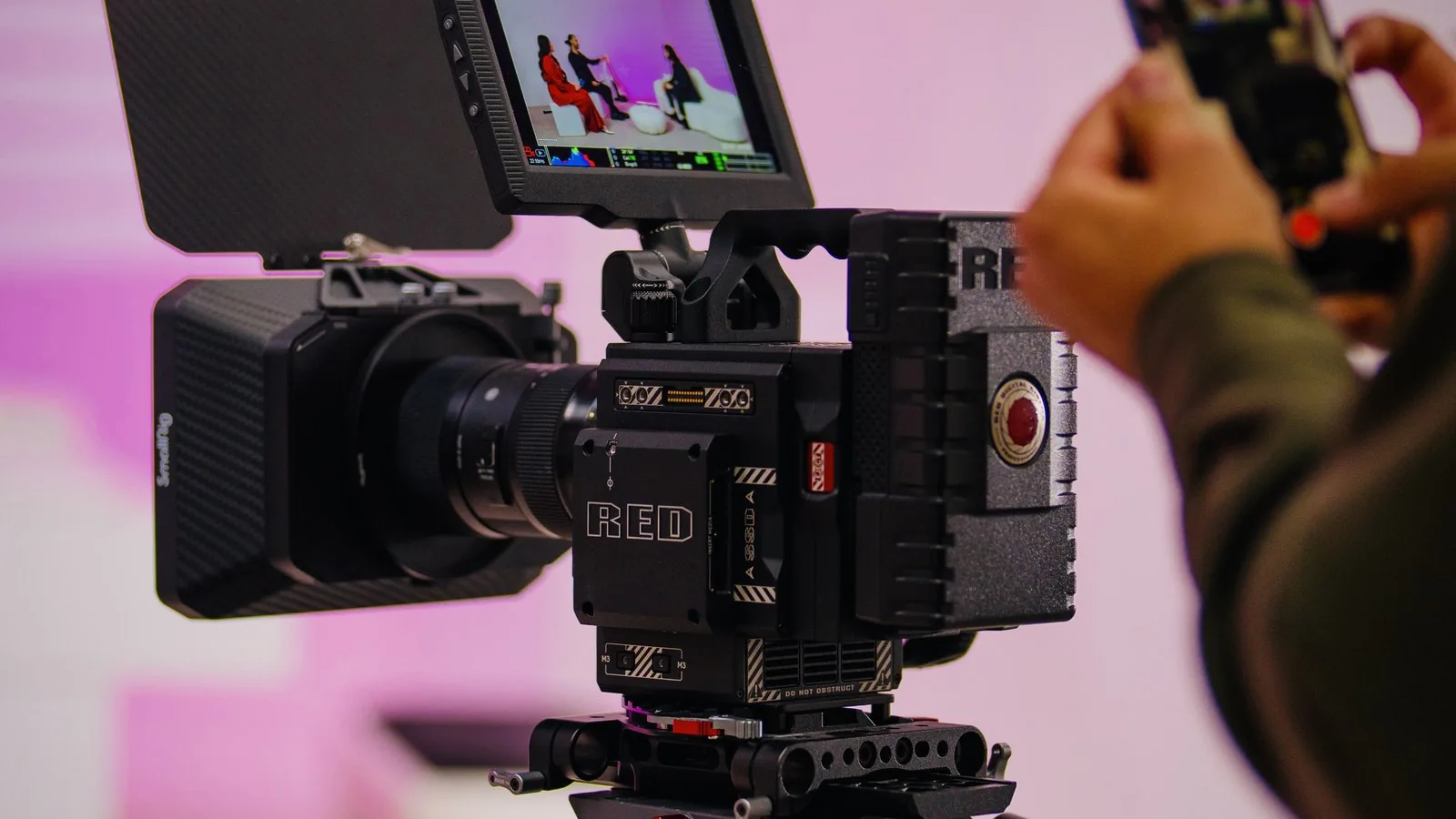
For photos and video, a visible notice that filming and photography take place on the stand helps, stating who is responsible and where more information can be found. For interviews and portraits, documented consent makes sense. Staff should be informed in advance. Photographed business cards and lead lists do not belong in private chats but in a proper system. Also check the organiser's requirements in the exhibitor manual. This text is an overview, not legal advice; if in doubt, ask your data protection officer.
On show day data protection shows mostly in how people are treated. We ask before individual visitors become the main subject, and photograph conversations so your team is in the foreground. Screens showing customer data or lead lists stay out of the frame.
At Pixer we hand over photos and videos via a download link, not through open groups. We agree consent forms for interviews with you in advance, so your data protection officer can review them before the show begins.
A clearly visible notice is sensible to inform visitors. It does not replace consent for interviews and portraits, though.
It is common, but the data must be stored securely and used only for its purpose. Clarify this with your data protection officer.
Want to plan photo and video on your stand with data protection in mind? Send us the fair and dates, and we will agree the process with you in advance.
We reply within 24 hours. During a show week, WhatsApp is fastest.